Cart
No products in cart

Learning the basics of maintaining a healthy battery
Author: Brittany Lin NOCO Team Leader
Maintaining a healthy battery is undoubtedly important, but why? How does a battery that sits in an unused car die in a matter of months? To understand why battery maintenance is important to the lifespan of your battery, it’s important to understand the basics of discharging and charging a battery. In short, when a battery is discharged, the chemical reaction between the sulfuric acid and the lead plates produces electricity that provides power to the application.
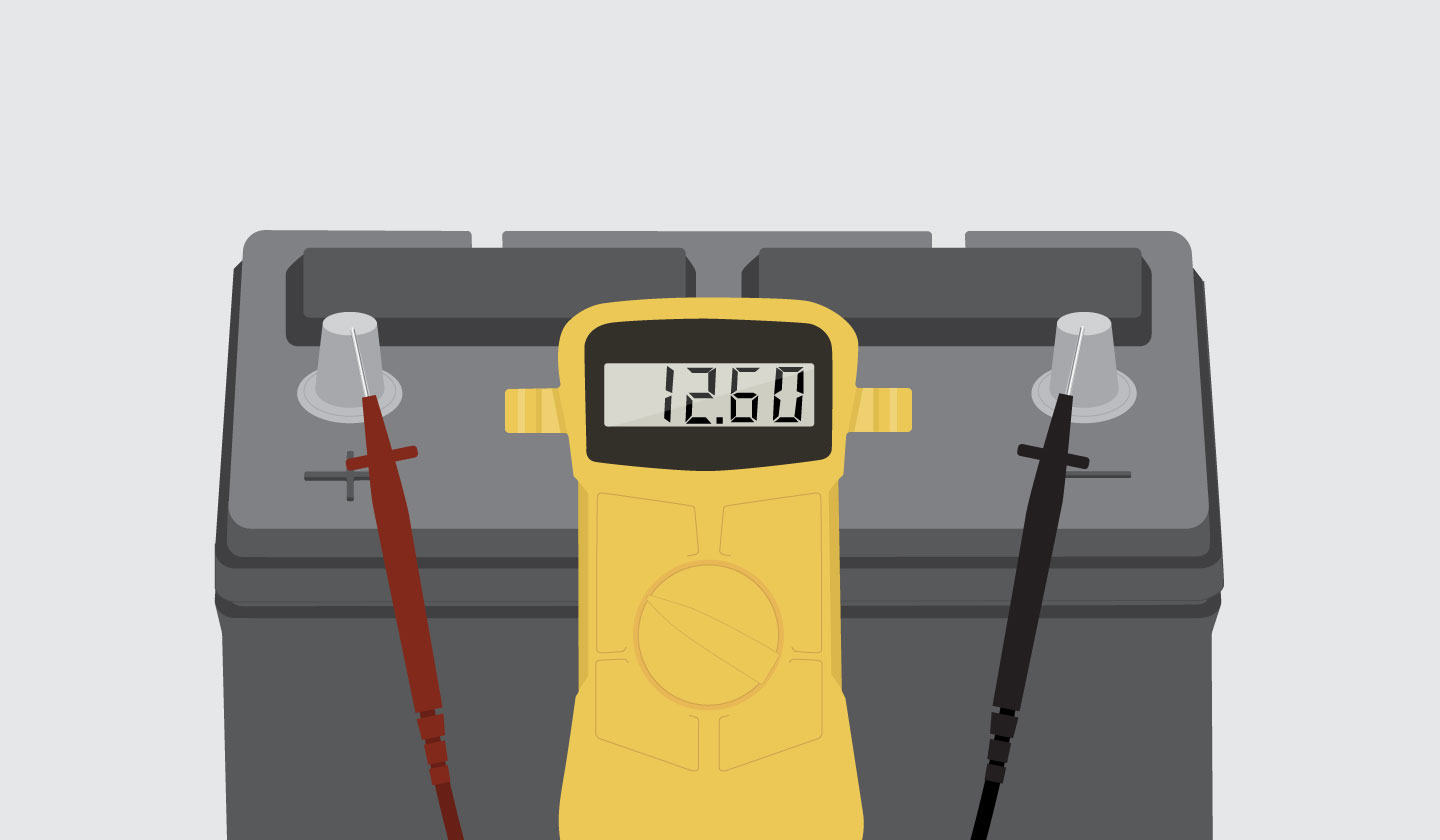
Test your battery frequently to ensure it is properly charged. It is important to check your battery and electrical system regularly, not when it starts to show signs of a failing battery. Testing it twice a year helps keep your battery in peak performance and also allows you to recharge your battery if needed to maintain peak performance. A fully charged battery should read 12.6 volts or above. If your battery voltage happens to be lower than 12.6 volts, then you should check the battery terminals, cables, and acid levels.
If you are the victim of a sulfated battery, you will start to notice signs of reduced performance. The most common sign of a sulfated battery is that the battery does not charge very well or simply does not charge at all. If you suspect that your electronic accessories are not receiving enough power (poor air conditioning performance, weak headlights), this is a strong sign that your battery is sulfated. If your battery dies much sooner than expected, then there is a high chance that it is due to sulfation. There is also the option of performing a visual diagnostic test on your battery cells for sulfation. This requires opening your battery, so it is recommended to do this on a covered surface in a well-ventilated area.
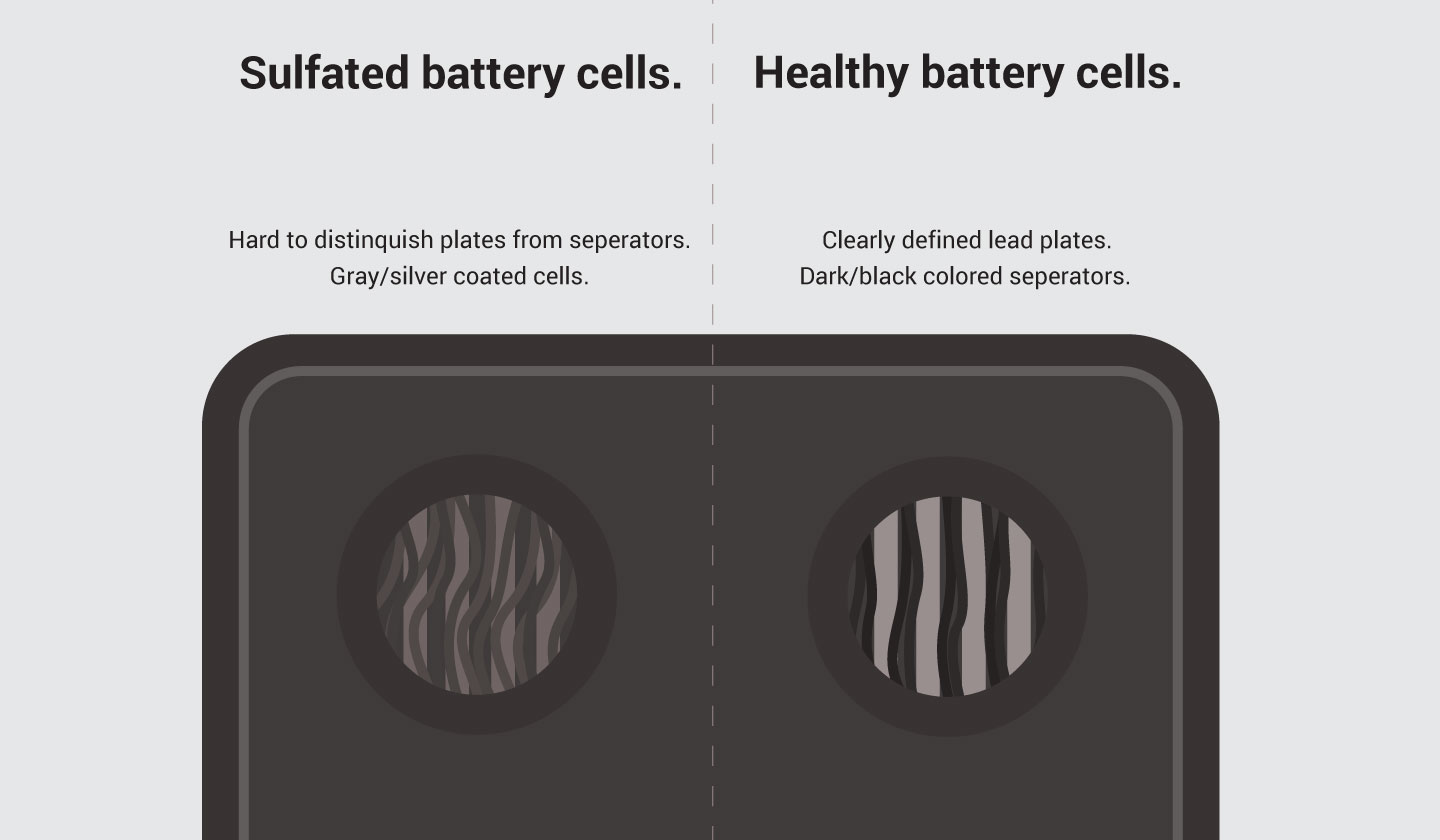

If your battery has removable vent caps, these can be removed by prying them open with a flathead screwdriver, then look down at each individual cell to make sure the water is covering the lead plates at the correct level. If the cell is left for any length of time with the plates exposed, it can become damaged. This in turn damages the battery, which needs all of its cells to be working to maintain a full electrical charge to provide power. Generally, the higher the temperature, the more often a battery may need to be topped up. In most cases, a monthly check is sufficient - but check more often in hot weather or if the level is very low at the monthly check.
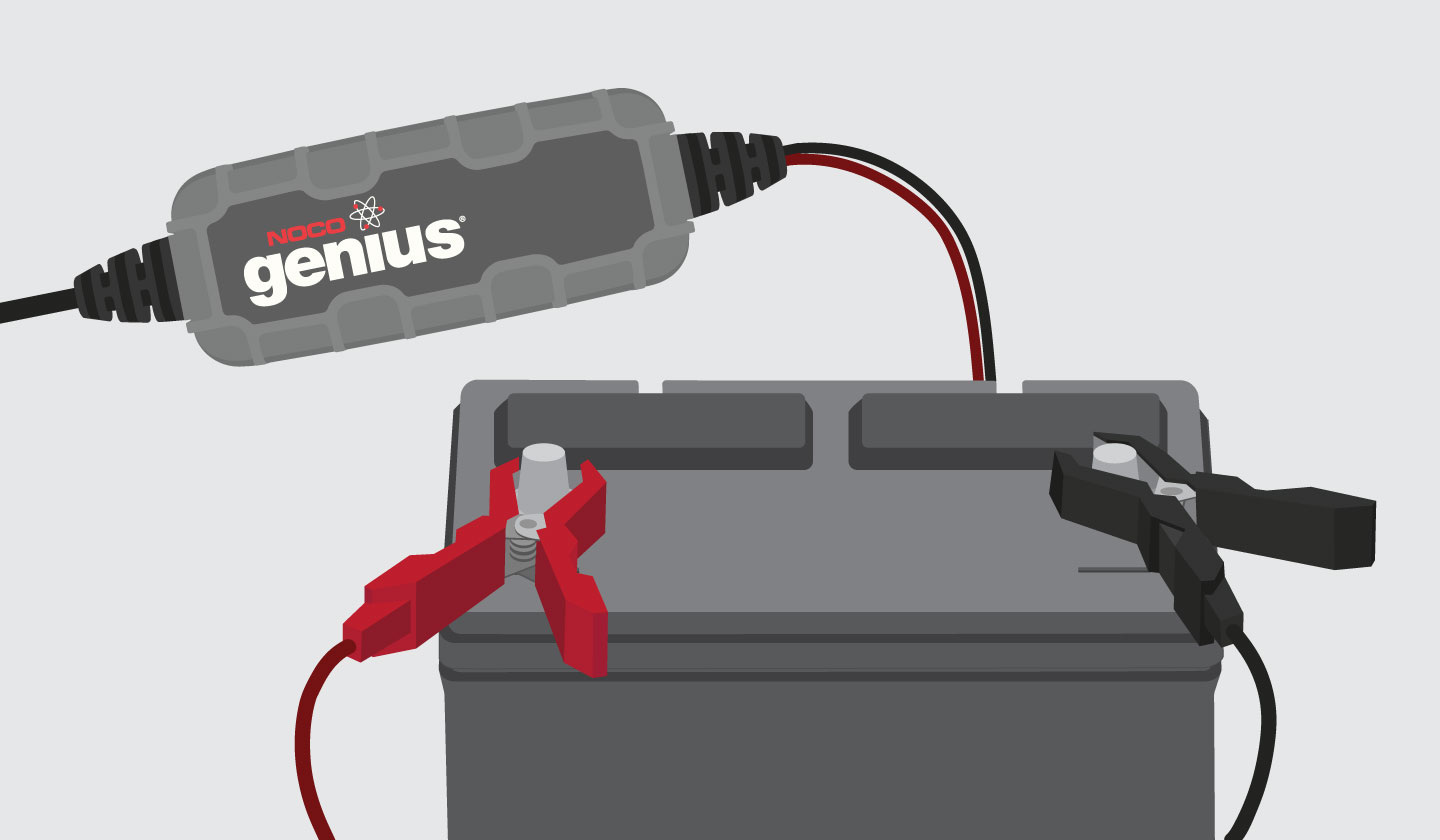
Properly charging your battery after it has been discharged is very important to keep your battery healthy and in perfect working order. Because of this, properly charging your battery can easily become more complicated than discharging it. Constant output battery chargers cannot provide the correct charge cycle simply because your battery requires changes in current and voltage to reach a full charge.
Proper charging and maintenance requires a smart charging system that has the ability to adjust the charging voltage and current according to the needs of your lead-acid battery. Choosing the right smart charger and using the appropriate charging mode provides the optimal charge for your battery, thus increasing the lifespan of your battery.