Cart
No products in cart
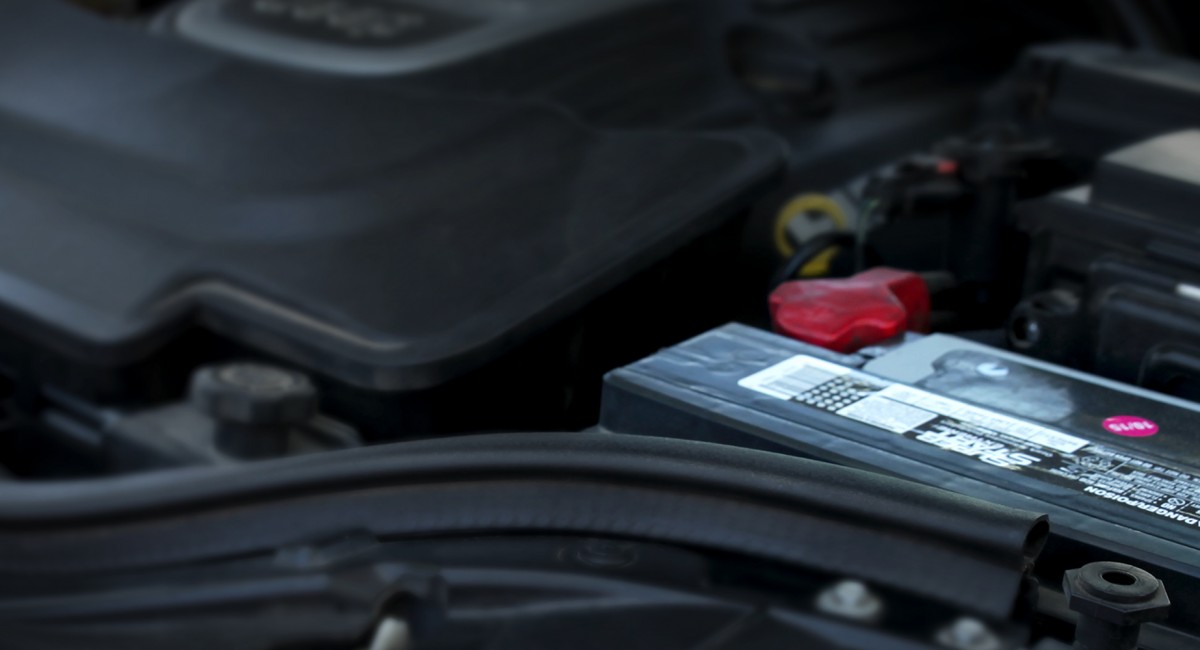
The ignition switch (starter)
In most vehicles, the ignition or starter switch consists of four positions:
Lock / Off
Acc / Accessory
On / Run and
Start
When the car is not running, the ignition switch cuts power to the engine, but the connection from the car battery is not interrupted.
So what happens to the car battery when the engine turns off?
Current continues to be drawn from the car battery while the vehicle is not running and is used to power the car's electronic accessories, such as the internal clock, the engine's electronic board, the radio, the alarm, the lights, etc. Power depletion or loss of power is normal for a car battery when it is not running.
Battery power loss
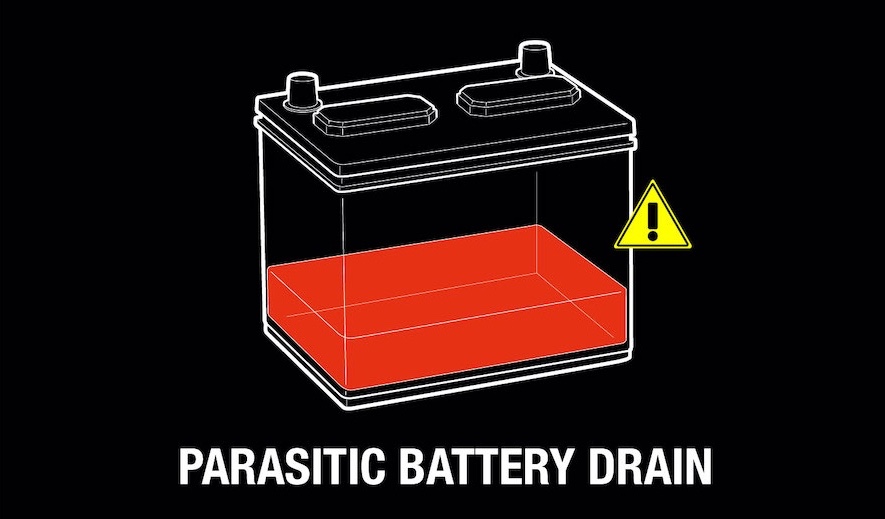
The normal amount of current loss in new car models ranges from 50-milliamps to 85-milliamps, while in older models, the current loss should be less than 50 milliamps. Anything above these amounts indicates a possible electrical issue and should be addressed by an automotive mechanic. Although a current loss of 85 milliamps may be normal for newer cars, this amount can adversely affect the life and performance of a car battery if it is not properly maintained. Therefore, it is important to maintain and charge the battery so that the charge does not drop below 12.4 Volts. Once the voltage drops below 12.4 Volts, sulfation begins and leads to battery corrosion. To prevent sulfation, it is useful to periodically charge your car battery with a car battery charger. To do this, you will first need to determine your vehicle’s current loss. You can do this by performing a current loss test using a multimeter and testing to check the current (DC Amps).
Safety precautions before the test
To perform the power loss test, you will need to come into direct contact with the car battery, so it is important to follow proper safety practices to avoid any damage. It is best to remove any jewelry and wear insulated gloves and safety glasses to avoid electric shock or overexposure to the battery. Never stand on the car battery, avoid flames and ignition sources, and make sure you are working in a well-ventilated area. Consult your vehicle owner's manual for specific instructions and safety precautions.
Change the multimeter to DC Amps
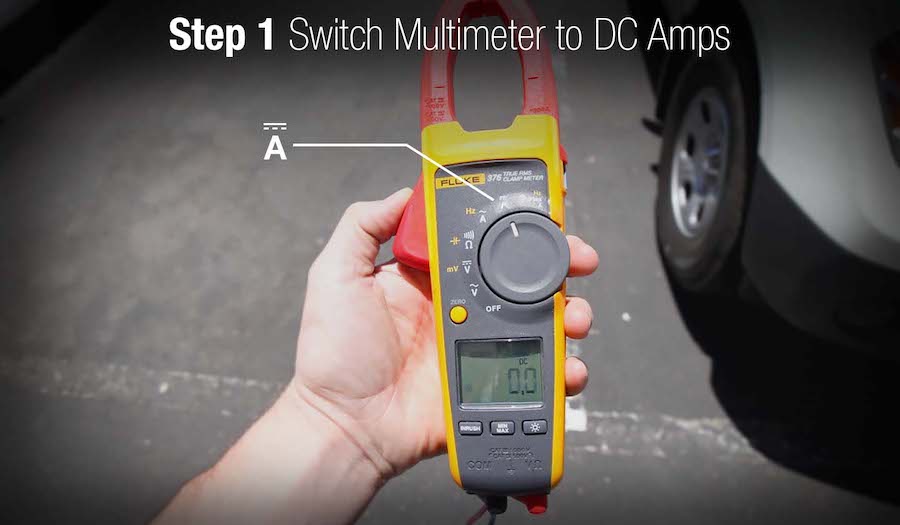
To perform a current loss test, switch the multimeter to DC Amps mode and set it to the highest Amp level. It is best to start at higher Amp levels and work your way down to lower levels to avoid damaging the multimeter. Note: Be careful when operating the multimeter in the Amps setting as it will have very low resistance. Do not connect it directly to the car battery and do not start the vehicle while testing.
Disconnect the battery cable from the terminal

Turn off the car and disconnect the negative (-) car battery cable from the negative (-) car battery terminal - this is the black cable. When the car battery cable is disconnected, do not let it touch anything that is grounded.
Connect the multimeter probes to the battery positions
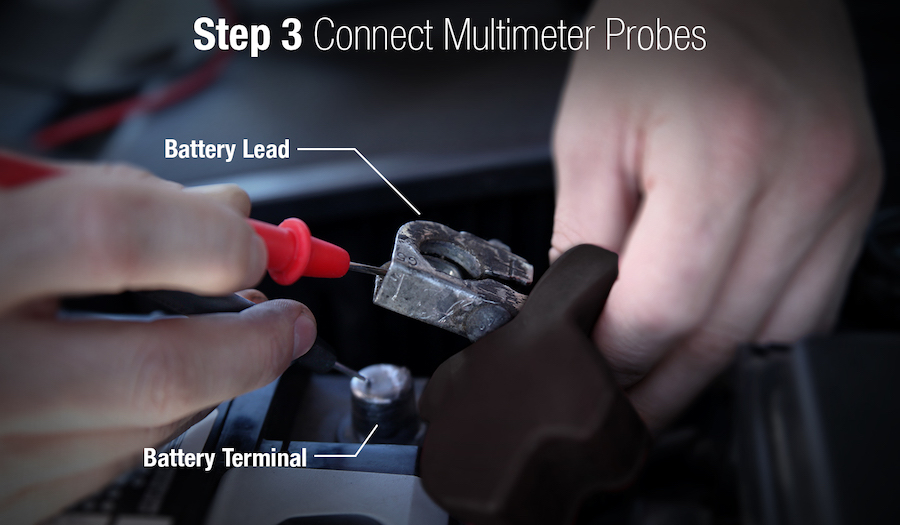
Make sure all of your vehicle's accessories and lights are off, remove the key from the ignition, and remove any devices plugged into the cigarette lighter socket. You may need to wait up to 30 minutes for the vehicle's computer module to shut down. Once your vehicle is off, connect the multimeter probes in parallel to the vehicle's battery terminal and the vehicle's battery cable.
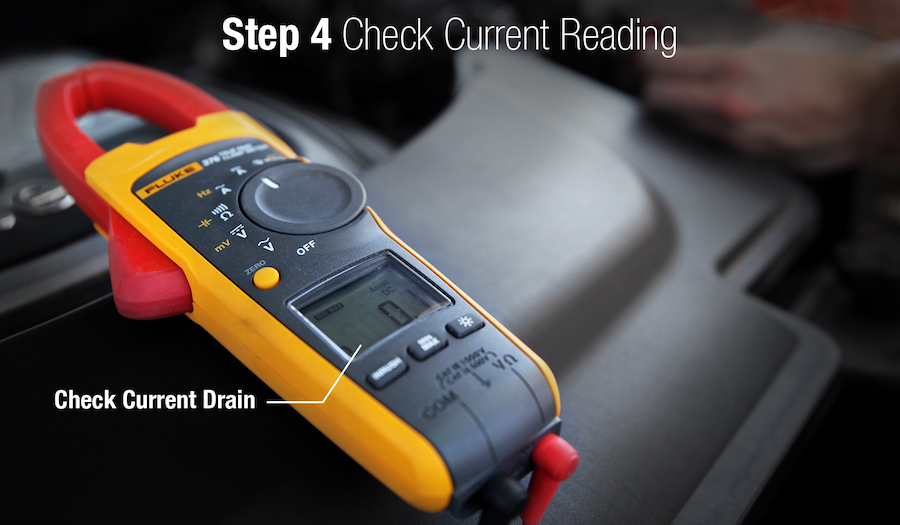
This will display the current loss in Amps. In case the multimeter does not show a reading then the setting on the multimeter is too high. Continue working but at a lower level until you get the accurate amp reading.
Conclusions
If your car's power draw is very high, then something is drawing too much power from your car battery while the vehicle is not running. High power draw can be a tricky problem because your car battery continues to drain without the alternator charging it. This can cause the battery to run down, leaving you with a car that won't start. To avoid the possibility of a dead battery, it's important to fix any electrical problems that may be causing high power draw. It's common for certain car accessories, such as lights, a new alarm, the stereo, and even bad wiring, to draw large amounts of power while the car is not running. You can find the main culprit by removing fuses to see which circuit is causing the power draw, but an experienced mechanic will be able to properly diagnose and repair the problem.
Secondly, it is important to properly maintain your car battery to avoid potential damage. A car battery can fail for a variety of reasons, such as when the car has not been driven for a long time, or has been parked in very cold temperatures, the lights have been left on, the car has high current loss, and so on. Once the battery is discharged, the car will not be able to start without recharging or jump starting the battery. Furthermore, a malfunctioning car battery cannot be fully recharged by a "surface charge" of the alternator (driving or idling the engine) because in reality, surface charging will reduce the battery's capacity over time. The only way to reliably recharge a dead battery is to use a car battery charger.
A maintenance charger can be left connected to a car battery indefinitely if the car is not going to be driven for several weeks. This will ensure that the battery's charge is maintained while you are away. In conclusion, proper battery maintenance will help you get the most out of your car and your battery.